
.png)

All Blogs.

Risk Officers Rarely Ask Us If Vision Score Works. They Ask What It Is Reading.
In this piece. The most common question we get from risk and credit leads is not whether the model works. It is what the signal actually is, and how ...

TrustVision Is Not One Product. It's Three, Built on the Same Capture. Here Is How They Fit Together.
In this piece. TrustVision is Trusting Social's digital onboarding and fraud prevention platform, and it is built in three layers, not one: identity ...

Your Model Reads Their Past. Here Is What It Looks Like to Read Their Present.
In this piece. Traditional credit data is a record of what a borrower did before they applied. Vision Score reads a biometric signal your onboarding ...
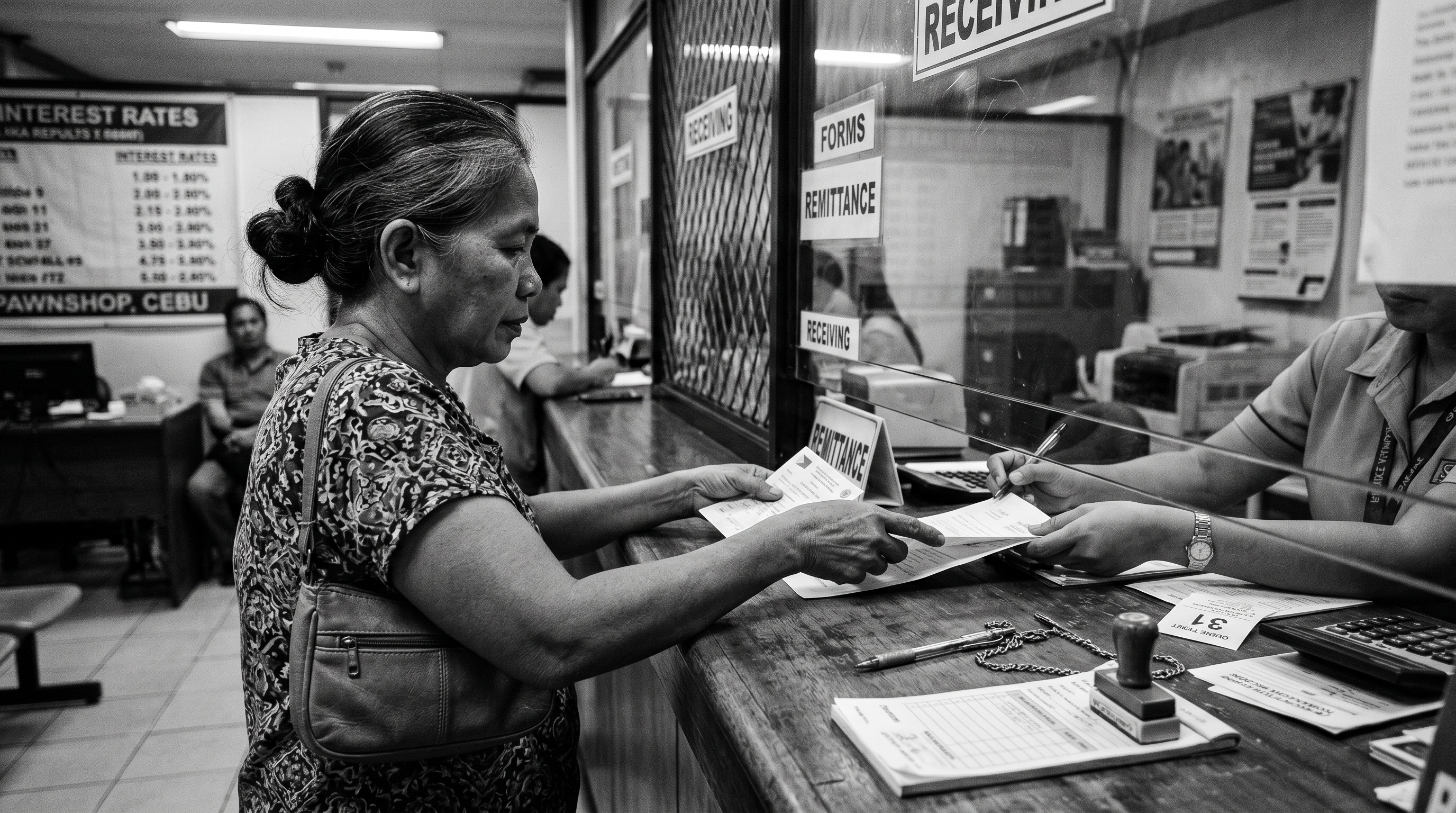
Why Loan Defaults in the Philippines Are Still Rising, and What Your Credit Model Is Missing
Philippine consumer loan defaults are climbing. The numbers behind that trend raise a harder question than most lenders are asking. This piece breaks ...

What AFASA-compliant authentication actually looks like in production
After the first article on compliance versus readiness, the most common question our team gets is the same one: fine, but what does this actually ...

AFASA compliance is not the same as AFASA readiness
After years of KYC deployments across the Philippines, and watching Vietnam navigate the same shift, here is what our team keeps seeing on the ground.

Why Your Face is Better than a Code: The End of the OTP
The OTP was a sharable secret that left Filipinos vulnerable. Explore how AFASA and the shift to biometric liveness are removing the tax of fear from ...

The Pulse of the Mule: Compliance vs. the AFASA Era
Behind every high-speed digital heist is a human bottleneck—the money mule—and the ₱5.82 billion question is how to stop them before the funds vanish.

The Digital Integrity Gap: Navigating Identity in 2026
When synthetic documents and AI-generated personas can bypass standard gates, the only remaining metric of truth is the real-time interaction between ...

The Deepfake Dilemma: Why Seeing is No Longer Believing
In an era of industrialized deception, your biggest risk isn't a bad credit score—it’s a flawless face that doesn’t exist.