Editor's picks this issue.




All Blogs.
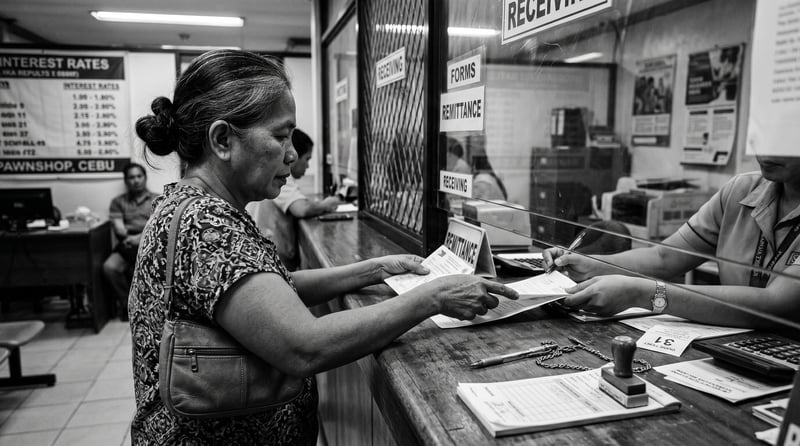
Why Loan Defaults in the Philippines Are Still Rising, and What Your Credit Model Is Missing
Philippine consumer loan defaults are climbing. The numbers behind that trend raise a harder question than most lenders are asking. This piece breaks ...

AFASA-Compliant Authentication: What Works in Production
After the first article on compliance versus readiness, the most common question our team gets is the same one: fine, but what does this actually ...

AFASA Compliance Is the Floor: Lessons From Vietnam
After years of KYC deployments across the Philippines, and watching Vietnam navigate the same shift, here is what our team keeps seeing on the ...

The End of the OTP: Why Your Face Is Safer Under AFASA
The OTP was a sharable secret that left Filipinos vulnerable. Explore how AFASA and the shift to biometric liveness are removing the tax of fear from ...

The Pulse of the Mule: Money Mule Detection in the Philippines
Behind every high-speed digital heist is a human bottleneck—the money mule—and the ₱5.82 billion question is how to stop them before the funds vanish.

The Digital Integrity Gap: Synthetic Identity Fraud in the Philippines
When synthetic documents and AI-generated personas can bypass standard gates, the only remaining metric of truth is the real-time interaction between ...

The Deepfake Dilemma: Why Liveness Detection Decides Who Gets In
In an era of industrialized deception, your biggest risk isn't a bad credit score—it’s a flawless face that doesn’t exist.

Fighting Fraud Together: Fraud Intelligence Sharing in the Philippines
Scam networks share tools, targets and mule accounts across institutions. Here is why Philippine banks and fintechs now have to share fraud ...

The Friction Tax: Transaction Verification That Keeps Customers
The harder you make it for a fraudster to get in, the more likely you are to lock out the very customers who keep your lights on.

The Real Cost of Fraud in the Philippines: What Your P&L Misses
In an era where "Agentic AI" can manufacture deception at scale, the true cost of fraud is no longer just a line item on a balance sheet—it is a ...