Digital KYC & Identity Verification Onboard Securely, Grow Confidently

Our AI-powered digital onboarding is engineered with fraud prevention into its core. This is the standard. Acquire faster. Protect smarter.
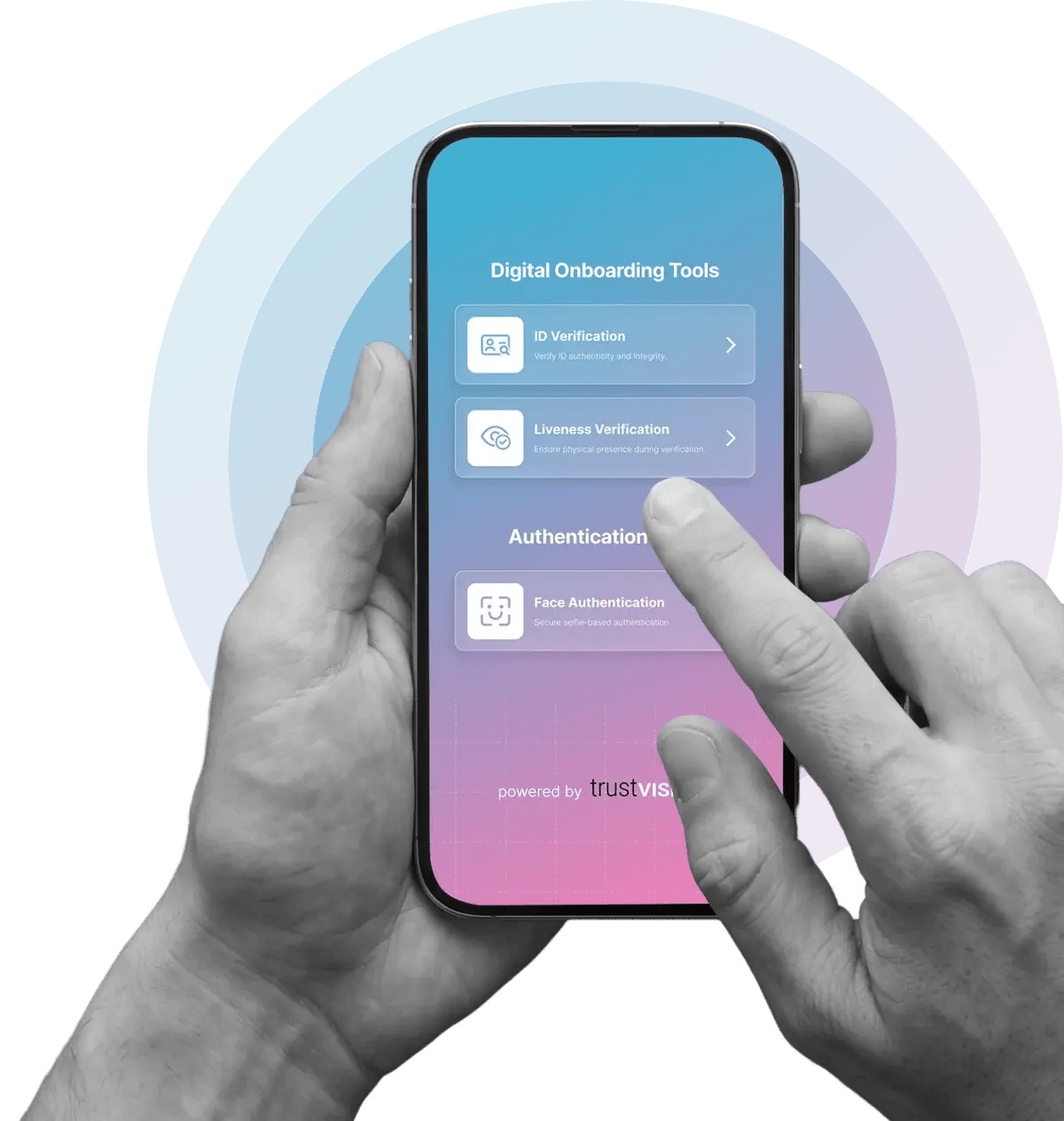
TrustVision digital onboarding menu on a phone showing ID verification, liveness verification and face authentication
Discover how TrustVision helps you onboard securely and grow confidently.

This site is protected by reCAPTCHA and the Google Privacy Policy and Terms of Service apply.

TrustVision brochure cover

Onboard a real customer in seconds. Keep the fraudsters out for good.

TrustVision Customer Onboarding is a digital KYC solution for Philippine banks, e-wallets and lenders: Philippine ID OCR, government database validation, face matching, liveness detection and optional AML screening in one identity verification API.

Onboard Quickly & Seamlessly

Verify identity in seconds
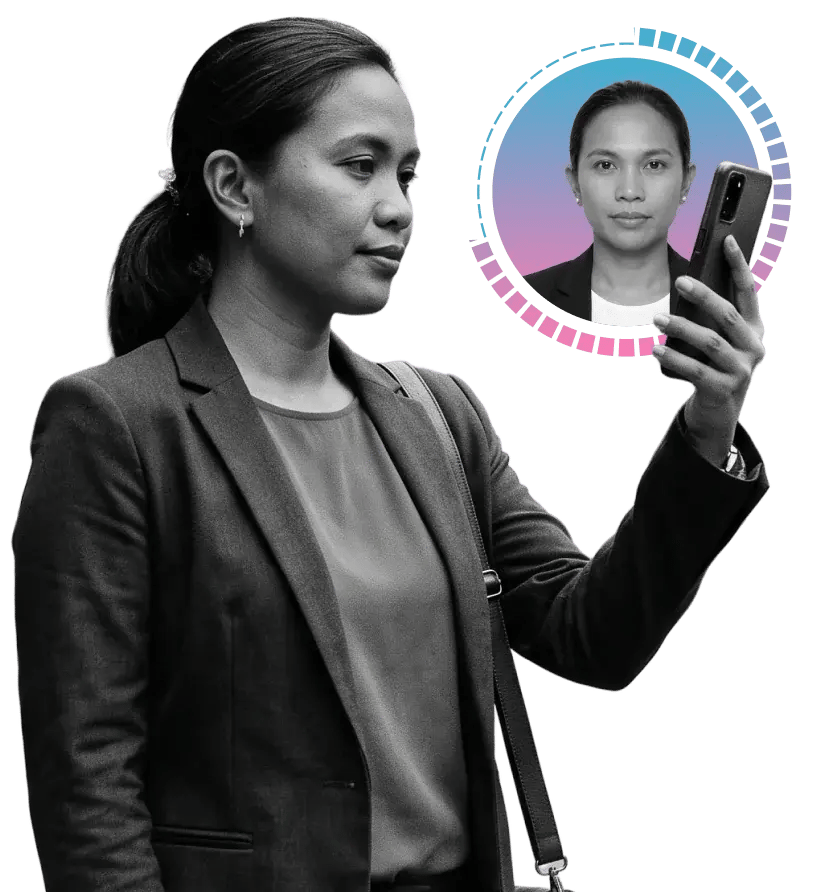
TrustVision face match and liveness check confirming a real person on a phone

Eliminate Fraud Losses

Stop bad actors with real-time AI
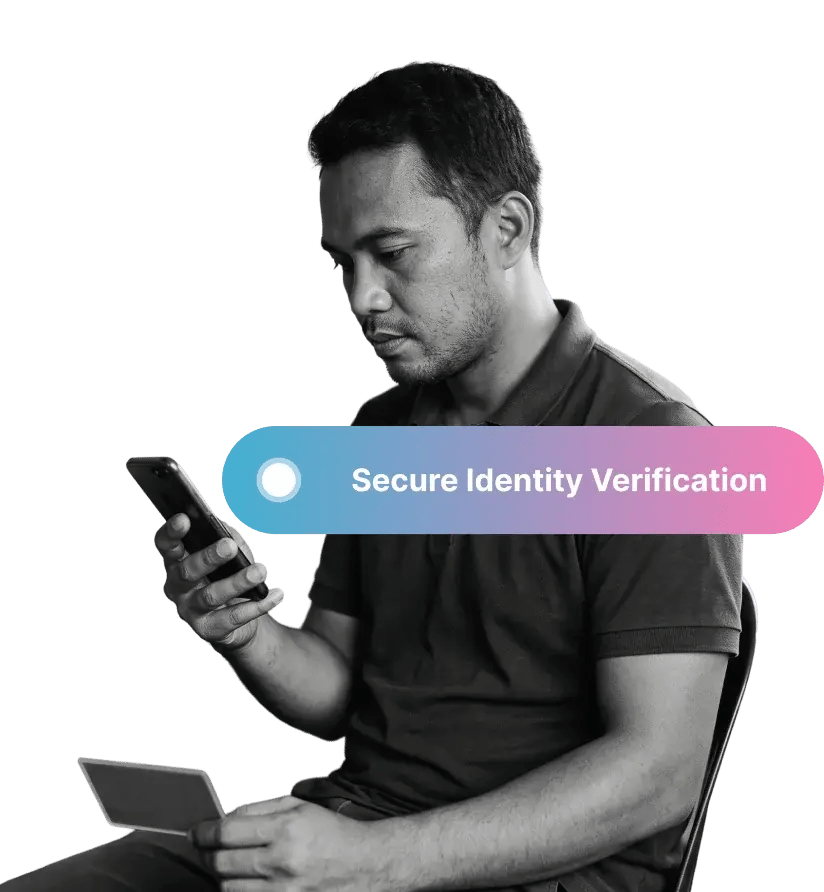
TrustVision reading a Philippine ID card during digital onboarding

Maximize Conversion Rates

Streamline registration for higher conversion
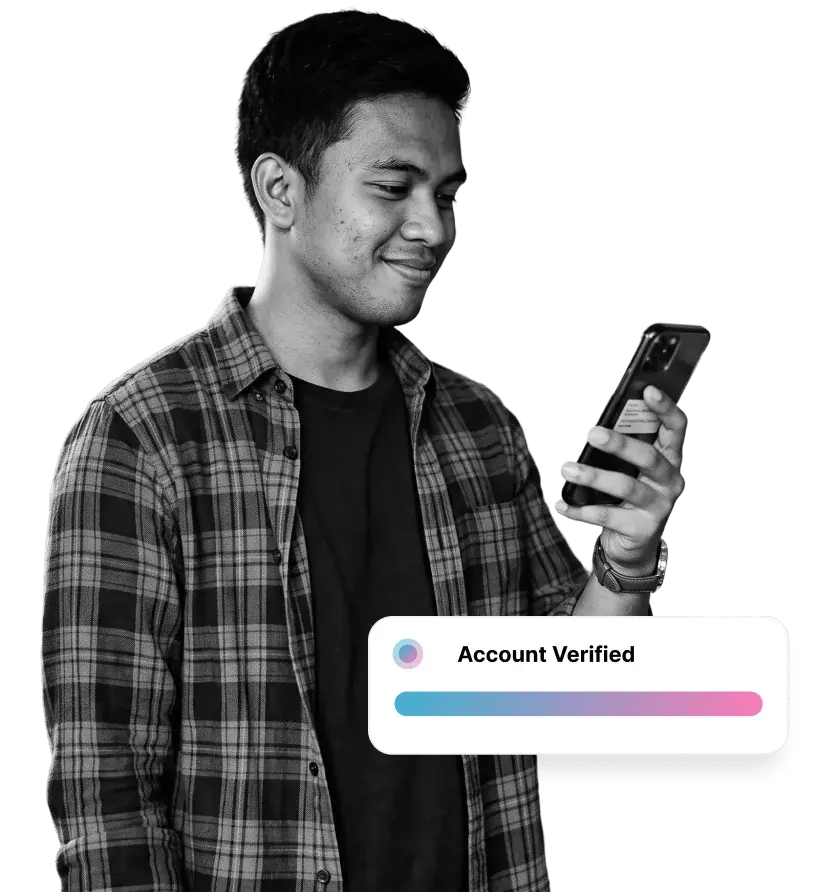
Account verified screen after TrustVision eKYC onboarding
Customer Onboarding

eKYC for Philippine banks, lenders and e-wallets
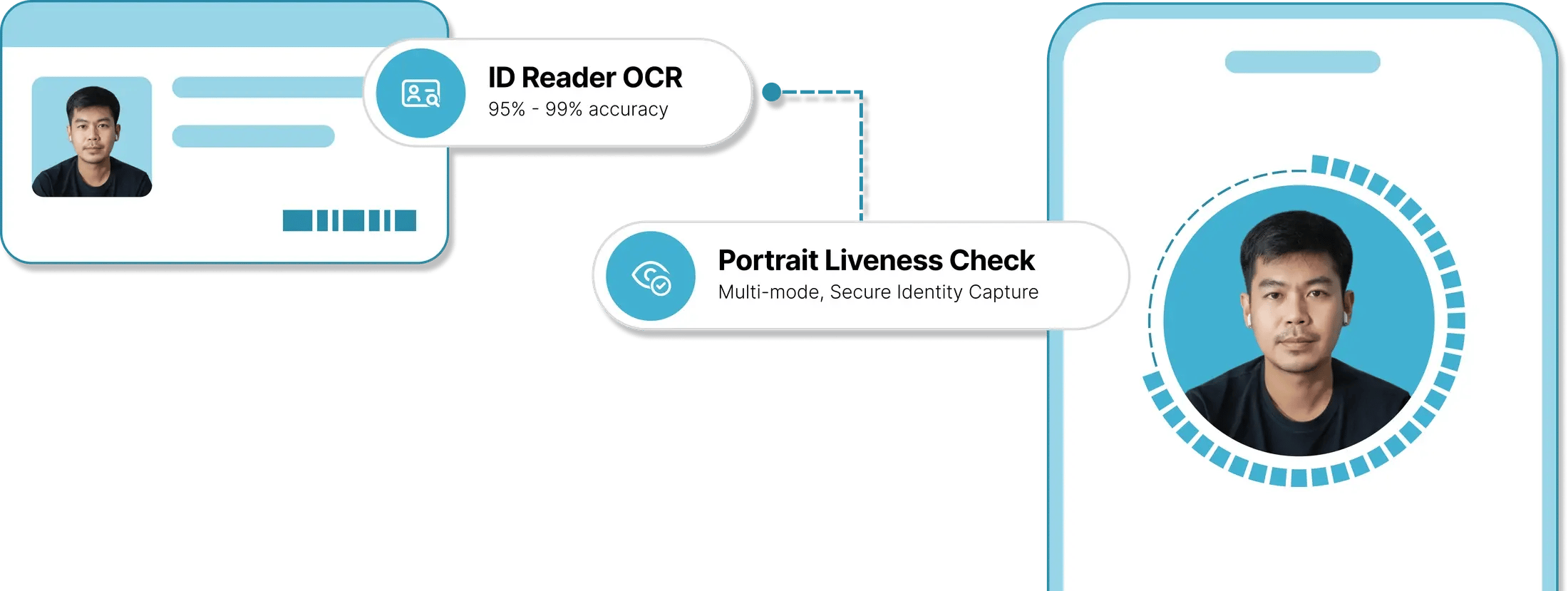
Reading the ID is the easy part. TrustVision also confirms the document is genuine, that the face in front of the camera matches it, and that a real person is holding it — producing the audit trail BSP examiners look for on every application.
ID Reader OCR reads a Philippine ID at 95%–99% accuracy, then Portrait Liveness Check confirms the person on their phone
The TrustVision Expertise

Next-Generation Biometrics for a Secure, Digital-First World

TrustVision’s industry-leading liveness technology certified by ISO 30107-3 Biometric Presentation Attack Detection Standard: Level 2.

ID and Face Photo Quality Checks

Flags blurry or tampered images before they reach review, so capture is right the first time.

Face-to-ID Matching

Matches the customer's live face photo to their ID photo with AI, so you know the person holding the ID is its owner.

ID Reader OCR

Instantly extract and pre-populate national ID data with high-accuracy OCR. No manual entry.

Portrait Liveness Check

Dynamic liveness checks confirm a real person is present, with multi-mode spoofing detection.

Capture face and ID photos easily
Check for fraud & image quality
Advanced fraud detection
Ultra-high accuracy
Flexible customization
Optimize efficiency
Woman photographing her ID card with her phone for identity verification
Supported Philippine IDs

Every ID a Filipino is likely to carry.

TrustVision reads the ID with OCR, checks it for tampering, and validates it against the issuing agency's records where a database is available. The model is trainable, so new or regional IDs can be added on request.
  • PhilSys National ID (PhilID & ePhilID)
  • UMID
  • Driver's license (LTO)
  • Philippine passport
  • SSS ID
  • TIN ID
  • PRC ID
  • Pag-IBIG ID
  • PhilHealth ID
  • Postal ID
  • Voter's ID
  • + trainable for others
Full details on what is checked for each ID: see the FAQ, or read how Philippine lenders verify IDs online.
How digital KYC works

One API call. Four checks. Seconds, not days.

A new customer photographs a government ID and takes a live facial capture inside your app. TrustVision does the rest in a single identity verification API call — KYC verification services and customer identity verification in one step — and returns a decision your onboarding flow can act on immediately.
Step 1 Read the ID

High-accuracy OCR extracts the name, ID number, birth date and address from Philippine government IDs and pre-fills the form. No manual entry, no typos.

Step 2 Check the ID is real
Image quality and sanity checks reject blurry or cropped captures; tampering detection catches edited, forged or screen-replayed documents before they enter your system.
Step 3 Match the face
Face matching compares the live capture with the photo on the ID, confirming the person holding the phone is the person on the document, with a confidence score you can set thresholds on.
Step 4 Prove they are live
Passive and active liveness detection, certified to ISO/IEC 30107, stops photos, masks, replays and deepfakes from passing as a real applicant.
Compliance officers reviewing documents in a Philippine bank back office
RegTech for BSP-regulated institutions

Built for the rules you answer to

The Bangko Sentral ng Pilipinas allows electronic KYC for digital onboarding provided the institution applies risk-based identity controls: ID validation, facial recognition, liveness detection and AML screening. TrustVision covers the first three as core modules and AML screening as an add-on, with the audit trail to prove it. Customer data is processed under the Data Privacy Act of 2012 (RA 10173) and the guidelines of the National Privacy Commission, and can run on-premise or inside your own data centre so sensitive data never leaves your environment.

Certifications: ISO/IEC 27001 (information security), ISO/IEC 27701 (privacy), ISO/IEC 30107 (presentation attack detection), ISO/IEC 19795 (biometric performance), SOC 2 and PCI DSS.

Optional Add-on

AML screening, when you need it

TrustVision's onboarding flow can be extended with AML screening, so identity checks and risk checks run in the same customer journey.
PEP screening
checks new customers against lists of Politically Exposed Persons.
Sanctions screening
checks names against sanctions lists.
Adverse media
flags negative news linked to the customer.
Each add-on is set up around your institution's requirements, along with any other checks your compliance team needs. Case management, a review queue where your team investigates and clears flagged matches, can be scoped as part of the engagement.
Frequently Asked Questions

eKYC in the Philippines, explained

What is digital KYC?

Digital KYC (eKYC) verifies a customer’s identity remotely instead of at a branch: the customer photographs a government ID and takes a live facial capture, and the system reads the ID, checks it for tampering, validates it against official records, matches the face to the ID and, where the AML add-on is enabled, screens the person against PEP and sanctions lists. TrustVision does all of this in one API call, in seconds.

Is eKYC allowed by the BSP?

Yes. The BSP permits electronic KYC for digital onboarding provided the institution applies risk-based identity verification controls such as ID validation, facial recognition and liveness detection. TrustVision’s modules are designed to meet those requirements and produce the audit trail examiners look for.

Which Philippine IDs can it verify?

The PhilSys National ID (PhilID and ePhilID), UMID, driver’s license, passport, SSS, TIN, PRC, Pag-IBIG, PhilHealth, postal and voter’s IDs, among others. The system is trainable, so additional IDs can be added to meet a client’s requirements.

How long does integration take?

TrustVision is delivered as an identity verification API with SDKs for web, iOS and Android, sandbox access and a dedicated integration team. Most onboarding deployments go live within 1-2 weeks, depending on the number of modules and your existing app.

What should Philippine lenders look for in an eKYC provider?

Look for support for the IDs your customers actually carry, including the PhilSys National ID and ePhilID; liveness detection certified to ISO/IEC 30107 that also catches deepfakes; tampering detection; validation against the issuing agency’s records where a database is available; retake prompts instead of flat declines; an audit trail that maps to the BSP’s risk-based identity controls; and data processed under the Data Privacy Act, with on-premise deployment if you need it. TrustVision covers all of these in one API call.

What happens when a customer fails an identity check?

It depends on why the check failed. If the photo is the problem, such as blur, glare, tilt, the wrong document or a photocopy, TrustVision prompts the customer to retake it and says what to fix, instead of returning a flat decline. If the ID looks tampered with, or the face is already on file under another name, the case is caught by TrustVision’s fraud prevention layer. Every check is logged with its result, so your team can see why an application did not pass. Why a retake prompt beats a decline.

Book a Demo Today

No Sales Talk
Just Data Science at Work

This site is protected by reCAPTCHA and the Google Privacy Policy and Terms of Service apply.

Thank you! Our team will reach out within 1 business day.

Prefer to lock in a time now? You can schedule instantly below.