Fraud Prevention for Philippine Banks Stop Fraud Now,
Build Trust Forever

Our comprehensive fraud prevention solutions go deep, safeguarding your business from even the most advanced fraud attempts and guaranteeing that every customer interaction remains authentically secure.
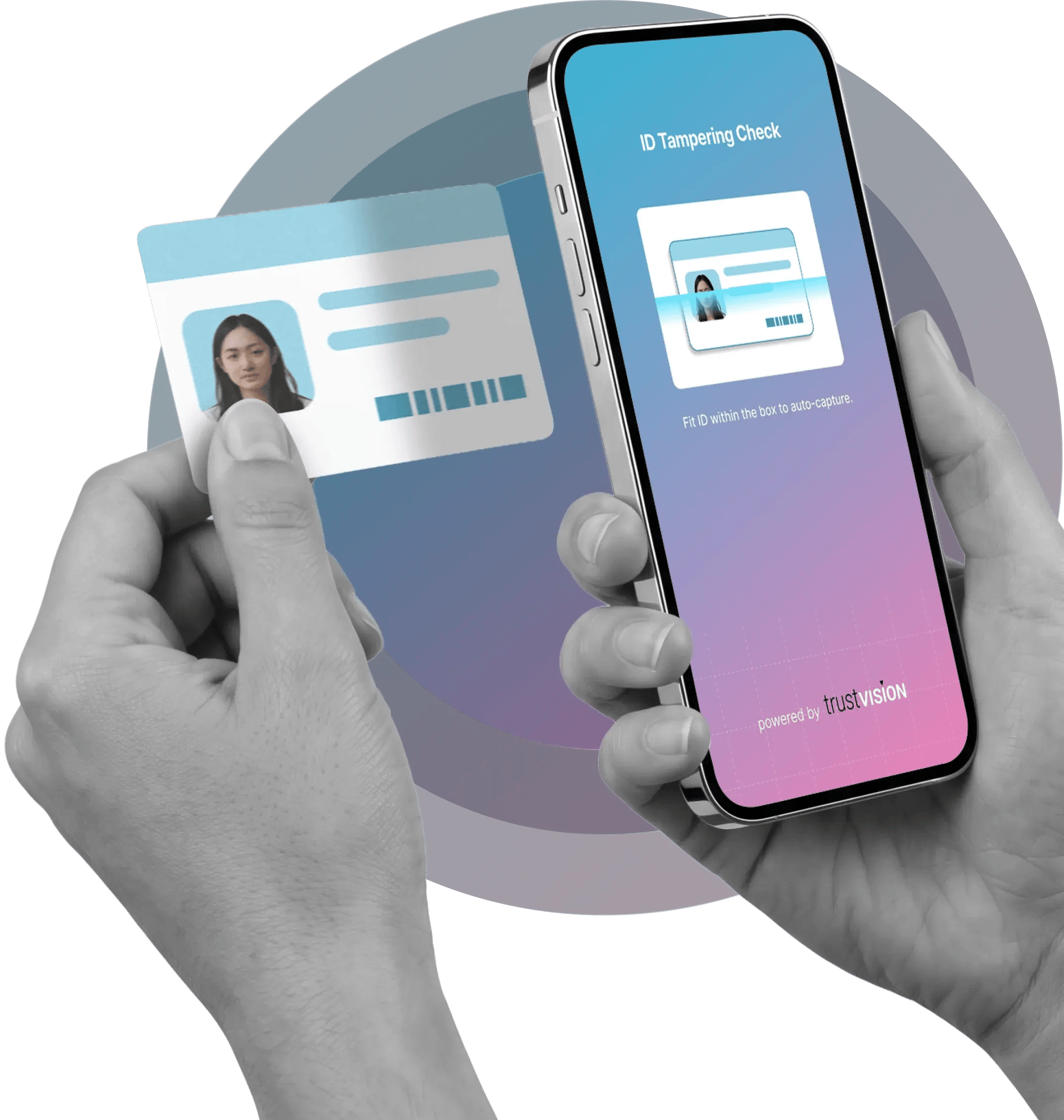
Hand holding a phone running a TrustVision ID tampering check against a government ID
Discover how TrustVision helps you stop fraud and build trust forever

This site is protected by reCAPTCHA and the Google Privacy Policy and Terms of Service apply.

trustvision-brochure

Fraud has gone digital. So has your defense.

TrustVision Fraud Prevention is AI fraud detection software for Philippine banks, e-wallets and lenders. It catches forged and tampered IDs, synthetic identities, deepfakes and repeat fraudsters at onboarding and across the customer lifecycle, with real-time risk monitoring and government ID validation, so every account you open belongs to a real, unique person.

Zero-Delay Defense

Proprietary AI for zero-delay, regionally smart defense

Customer taking a selfie while TrustVision runs a liveness check during onboarding

Plug-and-Play Protection

Effortless, plug-and-play integration with zero technical friction
trustvision-fraud-prevention-plug-and-play-integration

Always Ahead of the Curve

Constantly updated AI stays ahead of evolving fraud trends
Bank executive receiving a TrustVision security system update on his phone
Fraud Prevention

Impenetrable AI Defense, Safeguarding Every Interaction
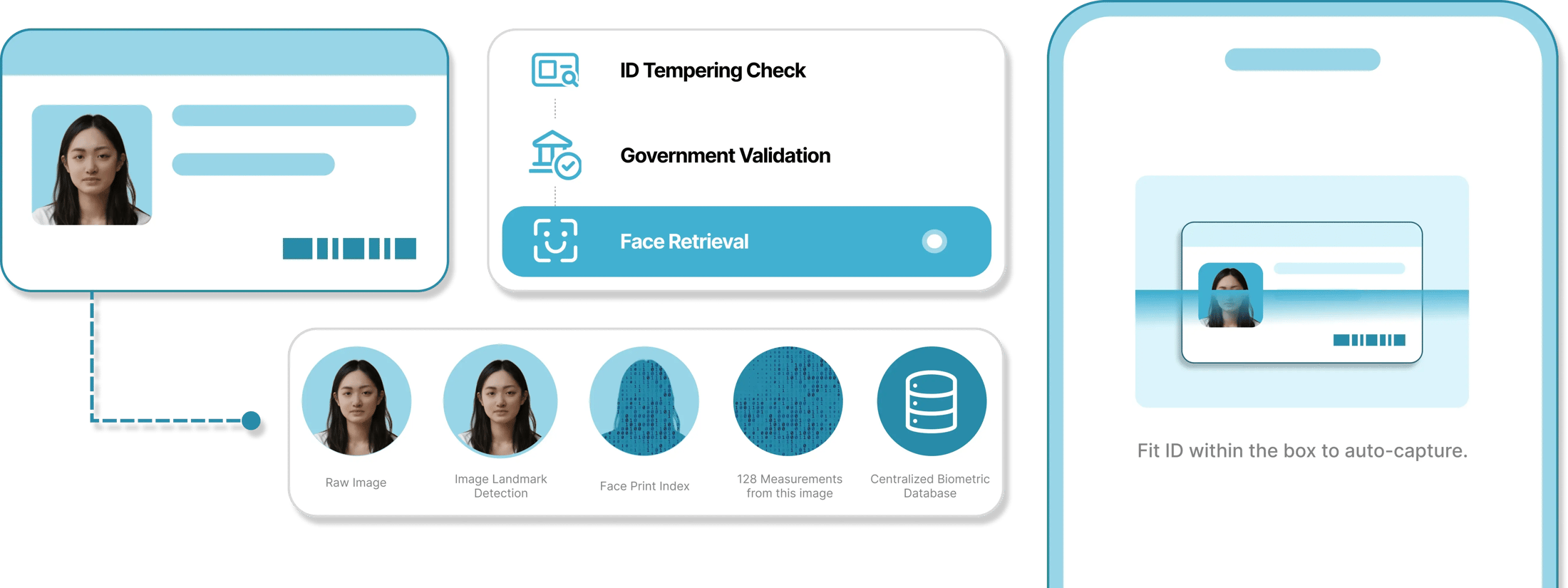
Three checks run on the same application, in the same API call. ID tampering detection reads the text, national emblems and digital security features on the document itself to catch forgeries. Government validation confirms the ID against official databases using OCR and QR reading.
TrustVision fraud prevention flow: ID tampering check, government validation and face retrieval building a face print from a captured ID
The TrustVision Expertise

Multi-layered Defense Against Synthetic and Identity Fraud

No single check stops a determined fraudster. A forged document fails the tampering check; a genuine stolen one does not. A stolen ID fails the face match; a deepfake might not. And neither catches the account that behaves perfectly for a month before it is drained. TrustVision layers document, biometric, device and behavioural signals so that passing any one check is never enough — and every decision is logged for the reviewer who has to explain it later.

ID Tampering Check

Instant, Multi-Layered Tampering Detection. Verifies ID authenticity (ID Liveness) by analyzing text, national emblems, and digital security features to instantly identify forgeries.

Government Validation

Real-Time Validation. Fortify compliance and risk management by automatically validating ID authenticity against official government databases using accurate OCR and QR code reading.

Face Retrieval

Proactive Facial Retrieval. Builds a secure, searchable database for rapid, high-score matching, providing vital intelligence to instantly spot and prevent recurring fraud attempts.


Optimize efficiency
Check for fraud & image quality
Ultra-high accuracy
Capture face and ID photos easily
Advance fraud detection
Flexible customization
Identity fraud protection

Stop the fake before it becomes a customer

Most fraud losses start with an account that should never have been opened. TrustVision checks the document, the person and the history behind them in the same onboarding call, so identity fraud is stopped at the door instead of discovered in collections.
Forged and tampered IDs
Multi-layer ID tampering detection reads text, national emblems, holograms and digital security features to catch edited, replayed or fabricated documents.
Synthetic identities
Government database validation, OCR and QR-code reading confirm the ID belongs to a real, registered person, not a stitched-together profile.
Deepfakes and spoofing
ISO/IEC 30107-certified liveness detection defeats photos, masks, screen replays and AI-generated faces during the facial capture.
Repeat offenders
Face retrieval matches every new applicant against a secure database of known fraud attempts, so the same face cannot open a second account under a new name.
Real-time risk monitoring

Fraud detection that keeps watching after day one.

Onboarding is the first line, not the only one. TrustVision keeps scoring risk as customers log in, transact and change details, and surfaces the anomalies your fraud and risk management teams need to act on.

The monitoring layer
Device and behaviour signals
Device fingerprinting and behavioural anomaly detection flag account takeovers, bot activity and mule-account patterns as they happen.
Risk scores, not just alerts
Each event gets a risk score your rules engine can act on automatically: approve, step up to face authentication, or hold for review.
Case management
Suspicious activity lands in a review queue with the evidence trail, so investigators resolve cases faster and examiners can follow every decision.
Constantly retrained
Models are updated as new fraud trends appear across 200+ institutions in the region, so your defence does not age.
Real-time risk monitoring

Fraud detection that keeps watching after day one

Onboarding is the first line, not the only one. TrustVision keeps scoring risk as customers log in, transact and change details, and surfaces the anomalies your fraud and risk management teams need to act on.
Frequently Asked Questions

Fraud prevention for Philippine banks, explained

What is AI fraud detection?
AI fraud detection uses machine learning models to spot patterns that indicate fraud, such as a tampered ID, a face that has appeared under another name, or a device behaving like a bot, in real time and at a scale no manual review team can match. TrustVision applies it at onboarding and across the customer lifecycle.
How does TrustVision detect deepfakes?

Liveness detection certified to ISO/IEC 30107 checks that the face in front of the camera is a live person and not a photo, mask, screen replay or AI-generated video, while ID tampering checks and government database validation confirm the document itself is genuine.

Does this help with AFASA compliance?

Yes. The Anti-Financial Account Scamming Act (RA 12010) requires BSP-supervised institutions to strengthen fraud management and customer authentication. TrustVision’s fraud prevention, face retrieval and biometric transaction verification are designed to meet those expectations and to document every decision.

How is it different from Customer Onboarding?

Customer Onboarding verifies a new customer’s identity (digital KYC). Fraud Prevention adds the fraud-specific layers on top: tampering detection, face retrieval against known fraud attempts, device and behaviour monitoring, and case management. Most institutions run both from the same TrustVision API.

Book a Demo Today

No Sales Talk
Just Data Science at Work

This site is protected by reCAPTCHA and the Google Privacy Policy and Terms of Service apply.

Thank you! Our team will reach out within 1 business day.

Prefer to lock in a time now? You can schedule instantly below.