Fraud Prevention for Philippine Banks Stop Fraud Now, Build Trust Forever

This site is protected by reCAPTCHA and the Google Privacy Policy and Terms of Service apply.
Fraud has gone digital. So has your defense.
Zero-Delay Defense
Proprietary AI for zero-delay, regionally smart defense

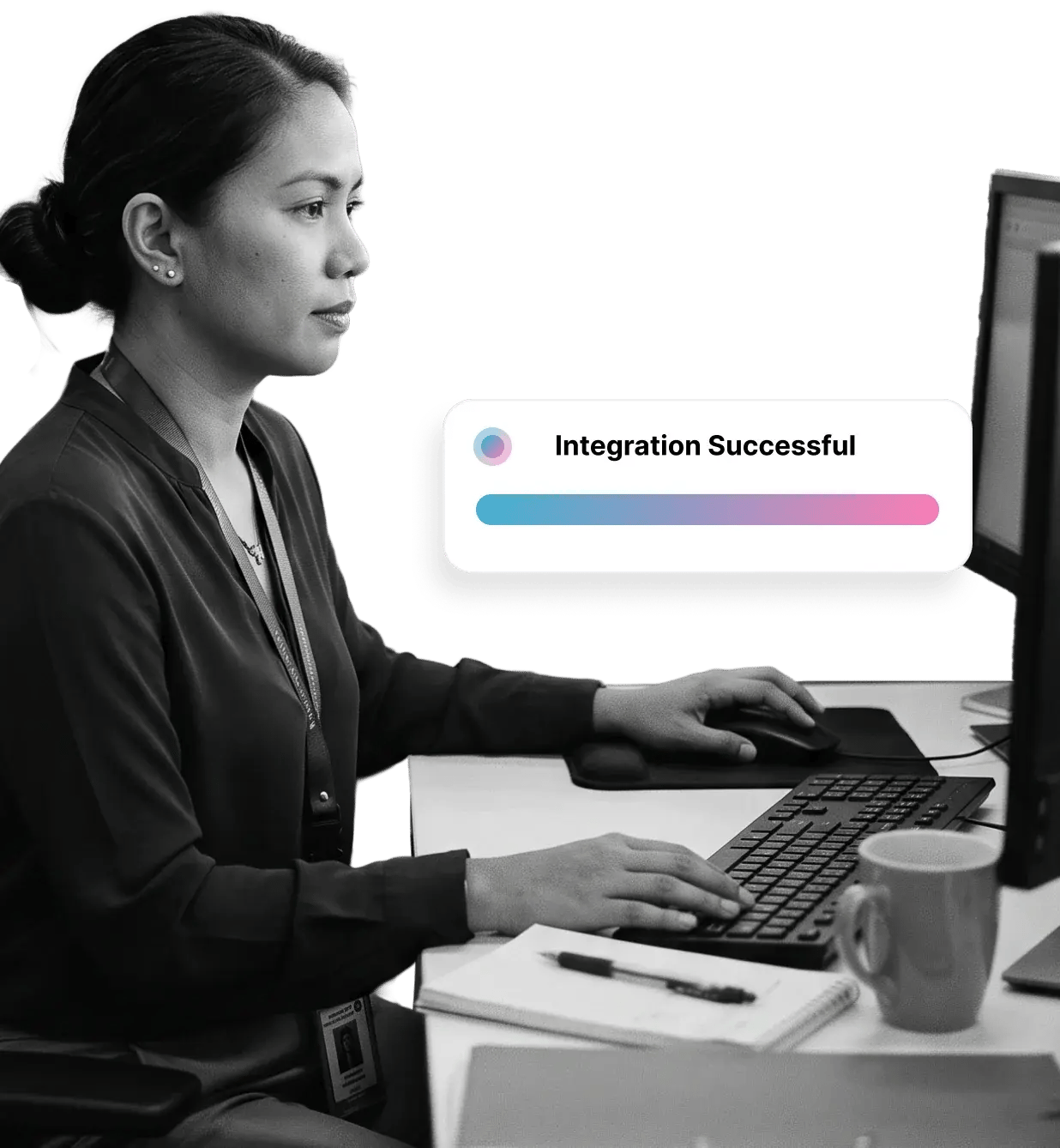
Plug-and-Play Protection
Effortless, plug-and-play integration with zero technical friction
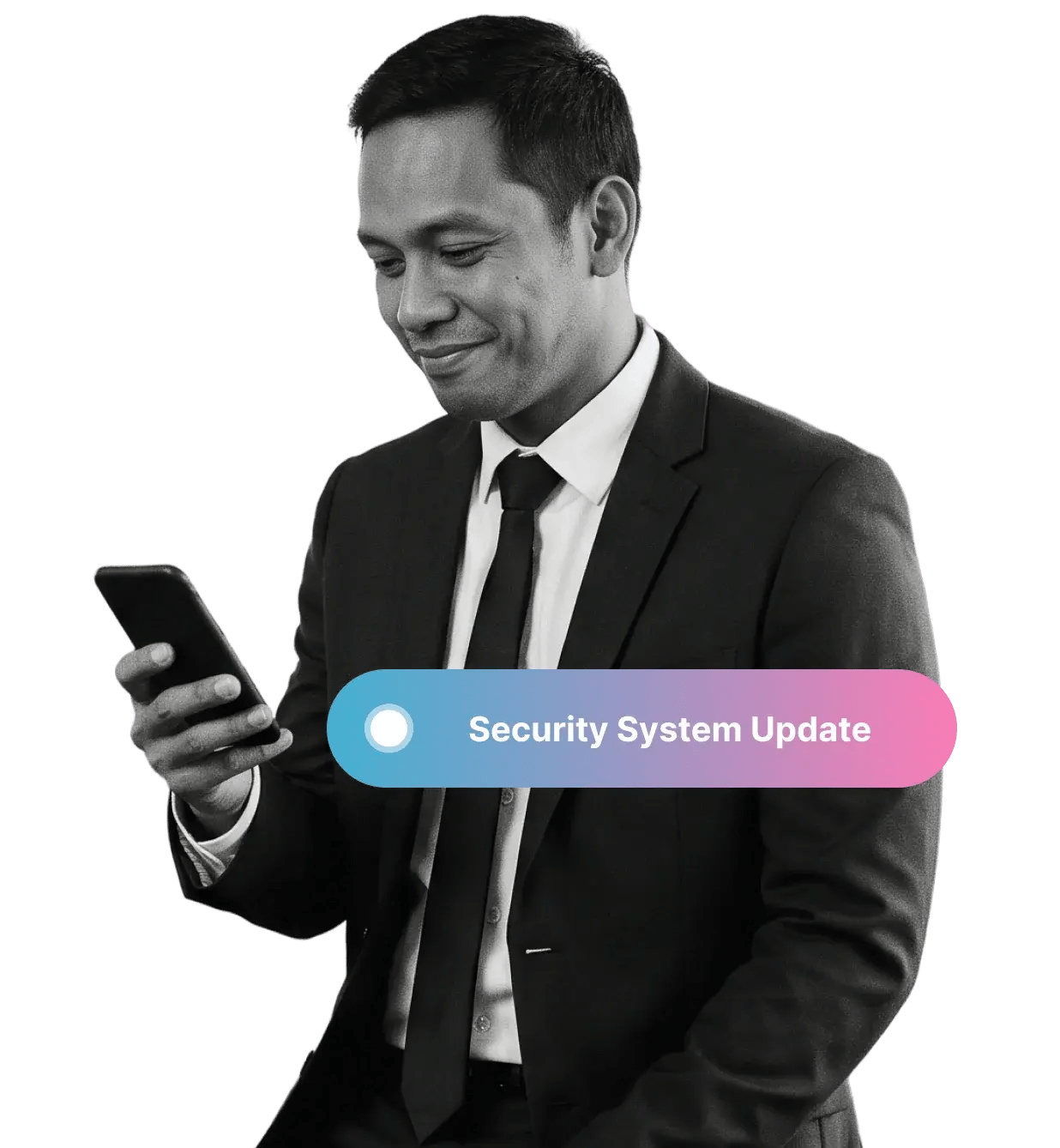
Always Ahead of the Curve
Constantly updated AI stays ahead of evolving fraud trends
Fraud Prevention
Impenetrable AI Defense, Safeguarding Every Interaction
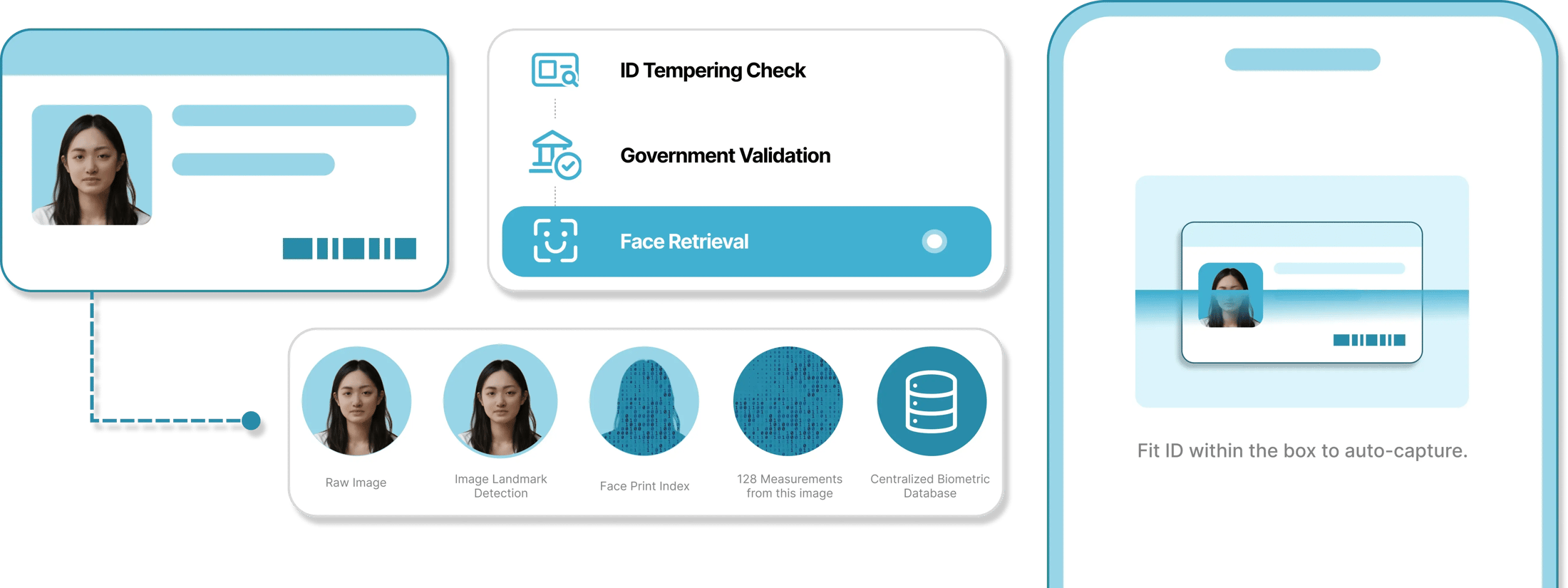
The TrustVision Expertise
Multi-layered Defense Against Synthetic and Identity Fraud
No single check stops a determined fraudster. A forged document fails the tampering check; a genuine stolen one does not. A stolen ID fails the face match; a deepfake might not. And neither catches the account that behaves perfectly for a month before it is drained. TrustVision layers document, biometric, device and behavioural signals so that passing any one check is never enough — and every decision is logged for the reviewer who has to explain it later.

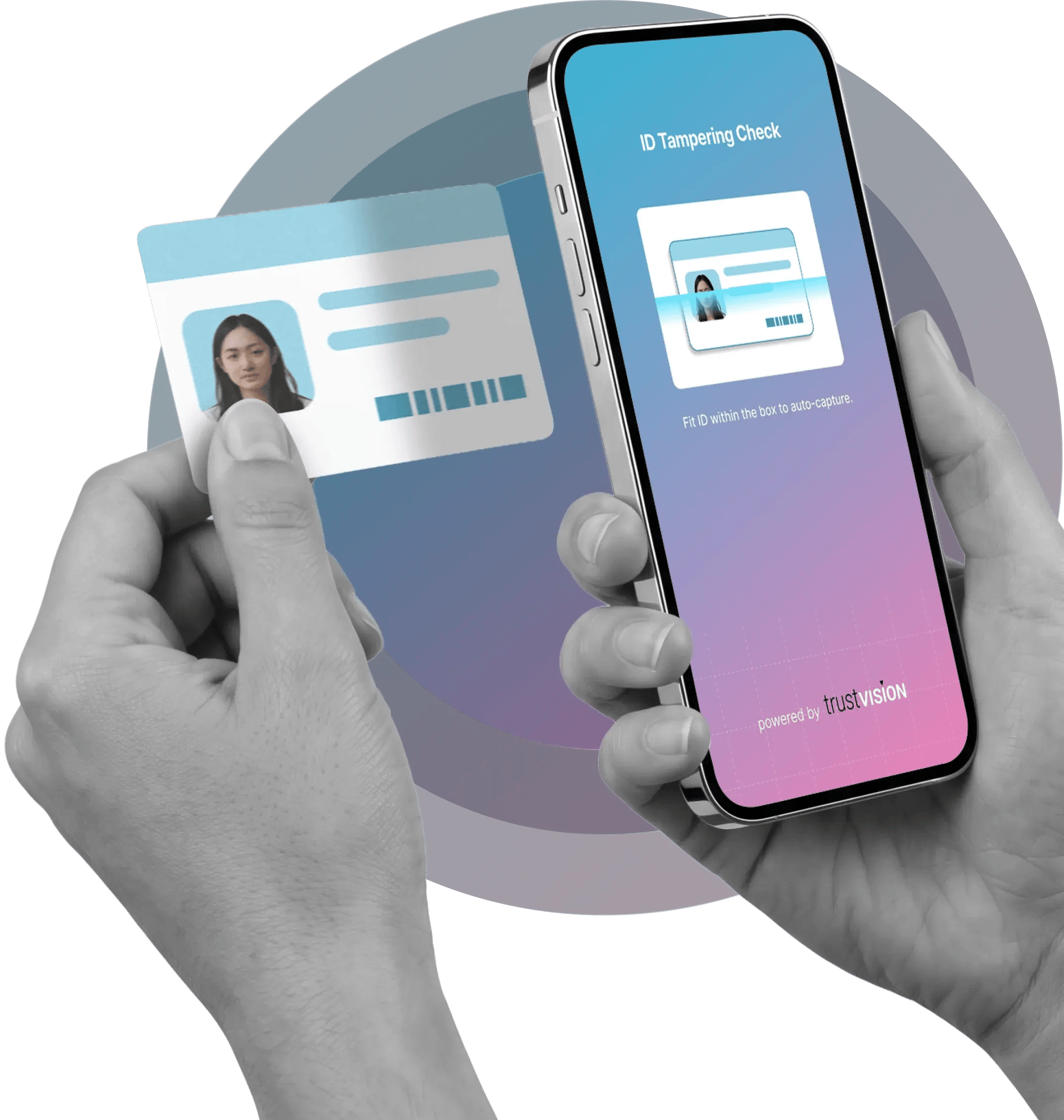
ID Tampering Check
Instant, Multi-Layered Tampering Detection. Verifies ID authenticity (ID Liveness) by analyzing text, national emblems, and digital security features to instantly identify forgeries.

Government Validation
Real-Time Validation. Fortify compliance and risk management by automatically validating ID authenticity against official government databases using accurate OCR and QR code reading.

Face Retrieval
Proactive Facial Retrieval. Builds a secure, searchable database for rapid, high-score matching, providing vital intelligence to instantly spot and prevent recurring fraud attempts.

Identity fraud protection
Stop the fake before it becomes a customer
Forged and tampered IDs
Synthetic identities
Deepfakes and spoofing
Repeat offenders
Real-time risk monitoring
Fraud detection that keeps watching after day one.
Onboarding is the first line, not the only one. TrustVision keeps scoring risk as customers log in, transact and change details, and surfaces the anomalies your fraud and risk management teams need to act on.
BSP Circular 1213
How TrustVision maps to BSP Circular 1213
Circular 1213 asks BSP-supervised institutions for two things: stronger customer authentication and, for larger institutions, an automated fraud management system that works in real time. No single product covers all of it. Here is where TrustVision fits, and what stays with your own systems.
Frequently Asked Questions
Fraud prevention for Philippine banks, explained
What is AI fraud detection?
How does TrustVision detect deepfakes?
Liveness detection certified to ISO/IEC 30107 checks that the face in front of the camera is a live person and not a photo, mask, screen replay or AI-generated video, while ID tampering checks and government database validation confirm the document itself is genuine.
Does this help with AFASA compliance?
Yes. The Anti-Financial Account Scamming Act (RA 12010) requires BSP-supervised institutions to strengthen fraud management and customer authentication. TrustVision’s fraud prevention, face retrieval and biometric transaction verification are designed to meet those expectations and to document every decision.
How is it different from Customer Onboarding?
Customer Onboarding verifies a new customer’s identity (digital KYC). Fraud Prevention adds the fraud-specific layers on top: tampering detection, face retrieval against known fraud attempts, device and behaviour monitoring, and case management. Most institutions run both from the same TrustVision API.
Does TrustVision cover everything in BSP Circular 1213?
No, and no single product does. TrustVision covers biometric authentication for high-risk transactions, device, behavioural and transaction-velocity monitoring, optional geolocation signals, face-based blacklist screening and case management. Transaction pauses after account changes, alerts for new recipients and holding disputed funds sit in your own banking systems.
Which institutions need a real-time fraud management system under Circular 1213?
Circular 1213’s fraud management requirements cover BSP-supervised institutions that offer complex electronic products and services and average at least ₱75 million in monthly network value over the last six months. Its broader rules, such as limiting SMS and email OTPs, apply to all BSP-supervised institutions.
Can TrustVision find duplicate faces among our existing customers?
Yes. Face retrieval can run against the KYC images an institution already holds, not just new applications, so duplicate identities already inside a portfolio come to light. Faces are stored as encrypted mathematical vectors, not raw images.
Can TrustVision detect remote-access or screen-sharing scams?
Yes, through two layers. During live capture, the eKYC SDK’s liveness check detects photos or video injected through a virtual camera, replays, deepfakes, and screen or mask spoofs. After onboarding, BehavioIQ scores each session’s touch, typing, motion-sensor and device signals against the customer’s own normal behaviour, so a session being operated remotely that doesn’t match it triggers an alert.
No Sales Talk
Just Data Science at Work
This site is protected by reCAPTCHA and the Google Privacy Policy and Terms of Service apply.
Thank you! Our team will reach out within 1 business day.
Prefer to lock in a time now? You can schedule instantly below.